Shape of AI
Product Design
2025
University
Prof. Christophe Gaubert
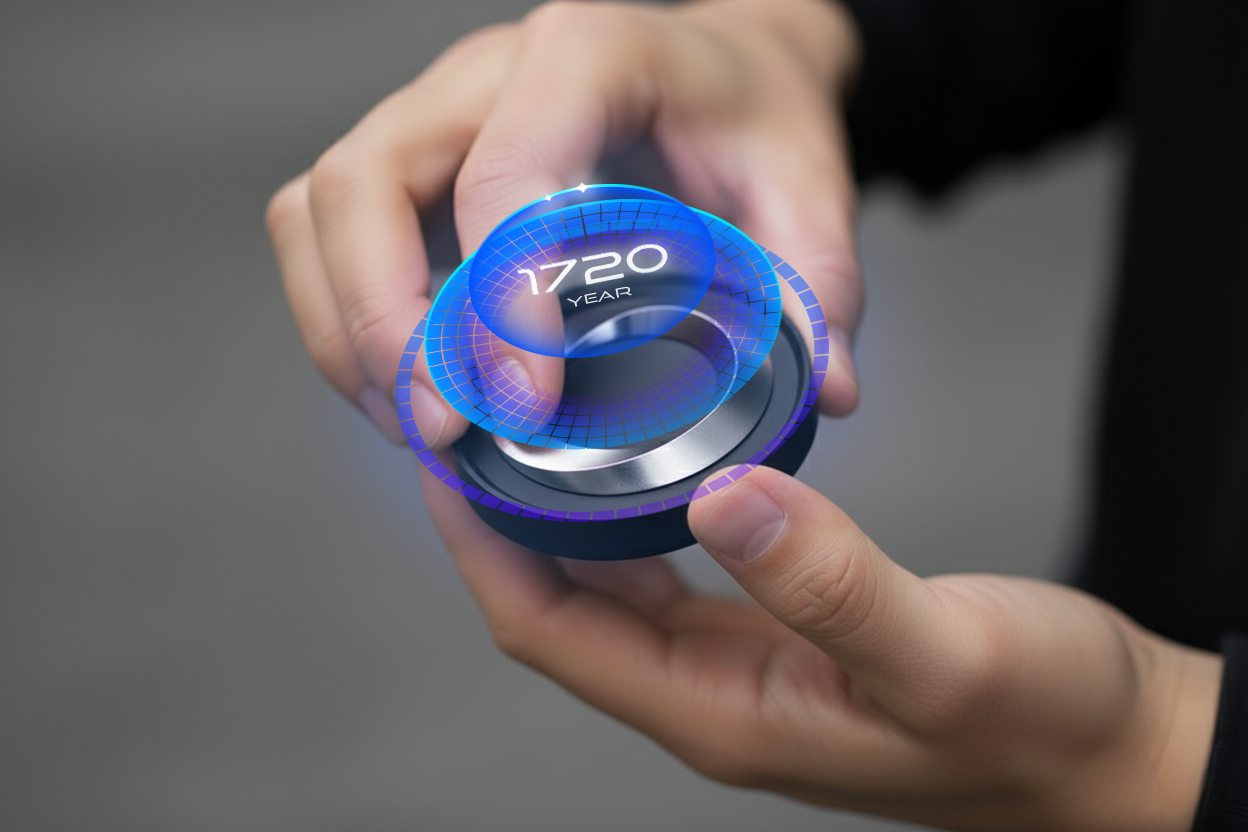
While most AI exists as interfaces or chatbots today, this project challenged us to give AI physical form. Olber is a speculative AI companion that reveals location histories through AR holograms grounded in real data. Turn the dial to travel through time, navigate space, and discover personalized stories that bring the past to life.

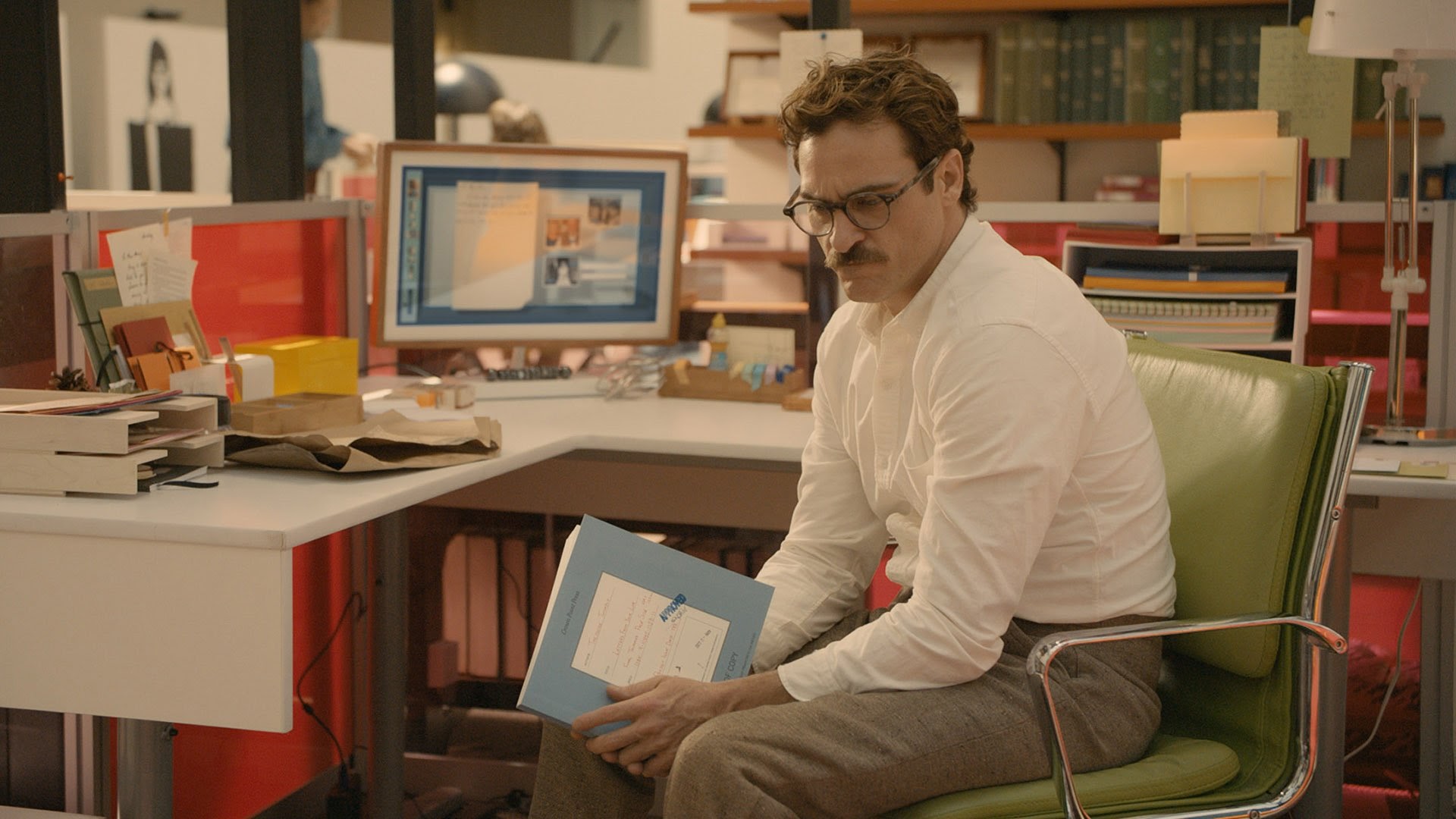
AI permeates our daily life, yet increased connectivity correlates with physical disconnection. We scroll through feeds about unvisited places. We pass historical sites without understanding their significance. Presence doesn't guarantee engagement.
(Image credit: Her, 2013)
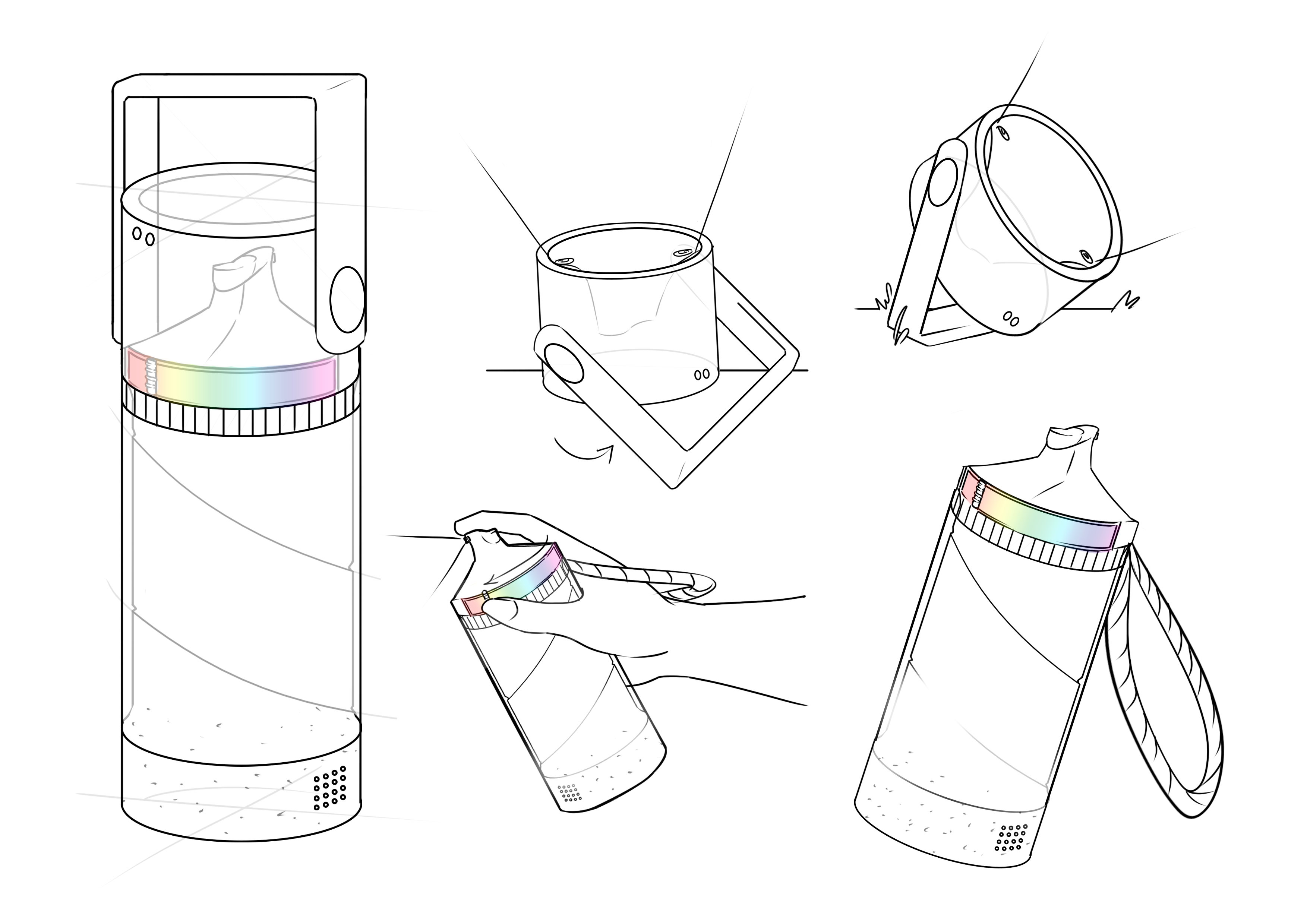
We believe AI shouldn't deepen screen dependency. Instead, it should help us engage more authentically with the physical world around us. We began by questioning how people leave traces in physical spaces. What if individuals could create holographic marks, e.g. digital graffiti visible through AR, fostering interaction with urban environments?
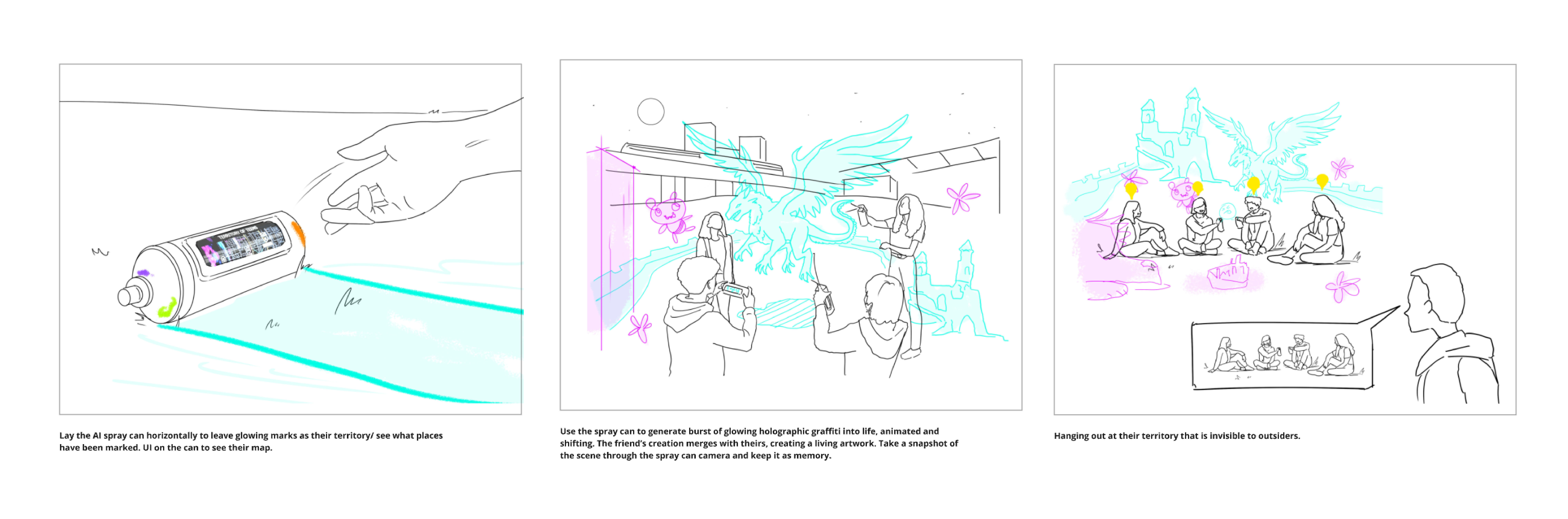
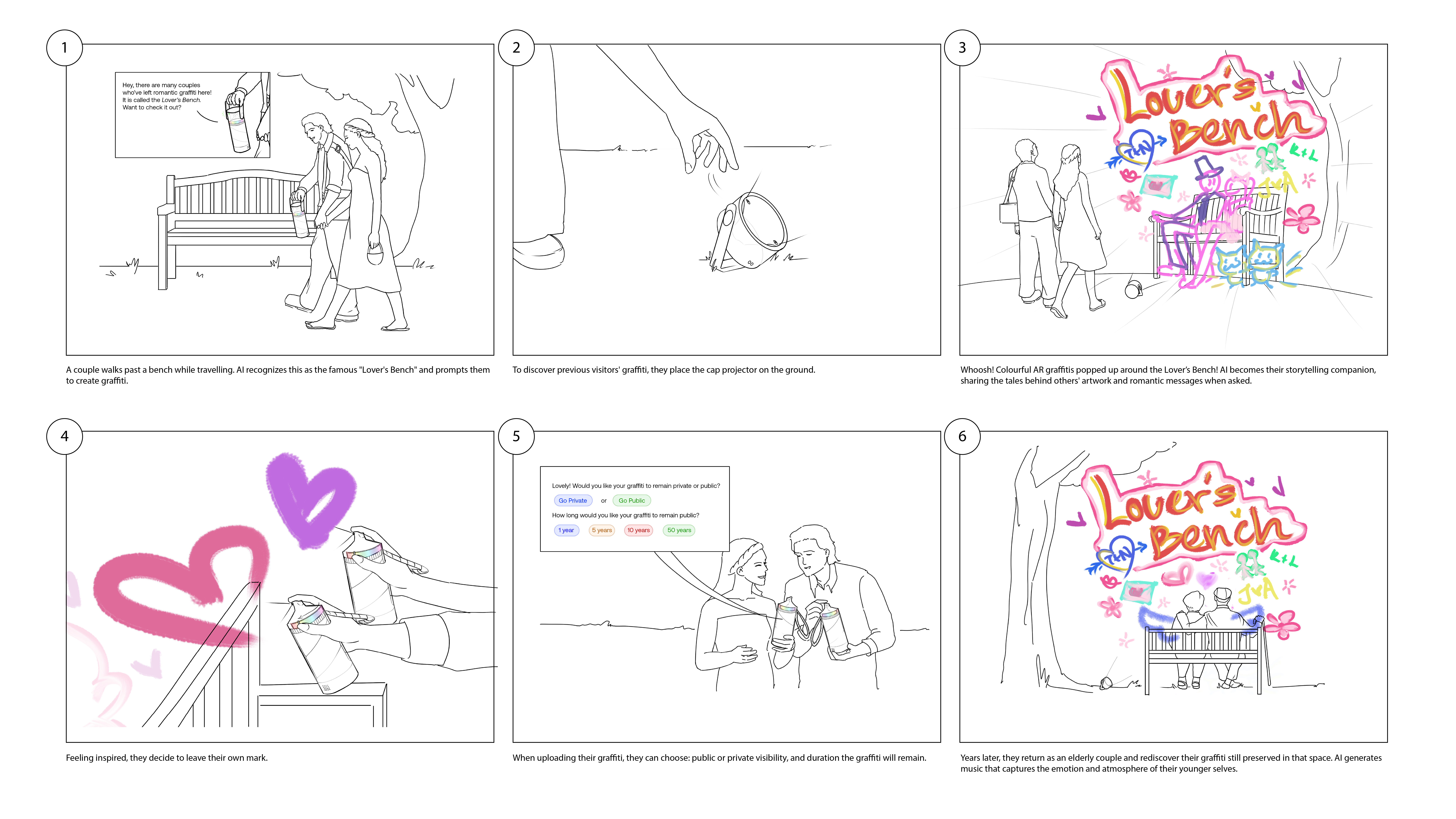
(Sketches/ storyboard: Jing Wen)
This pivot led us deeper into the city itself. What if urban spaces could be read through AI, not just for the marks we intentionally leave, but for the invisible layers beneath? The data behind walls, such as statistics, reviews, collective memories, or the historical depth, like what happened here, what this place once looked like.
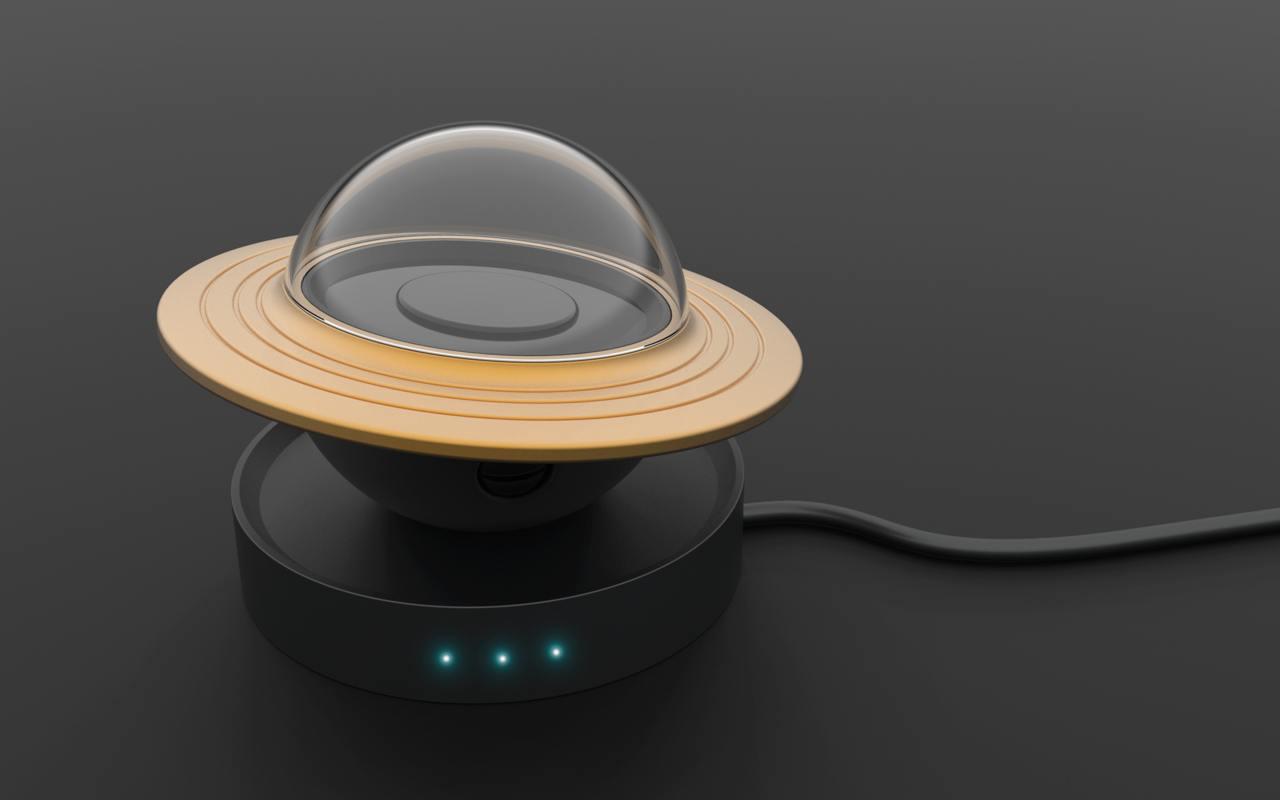
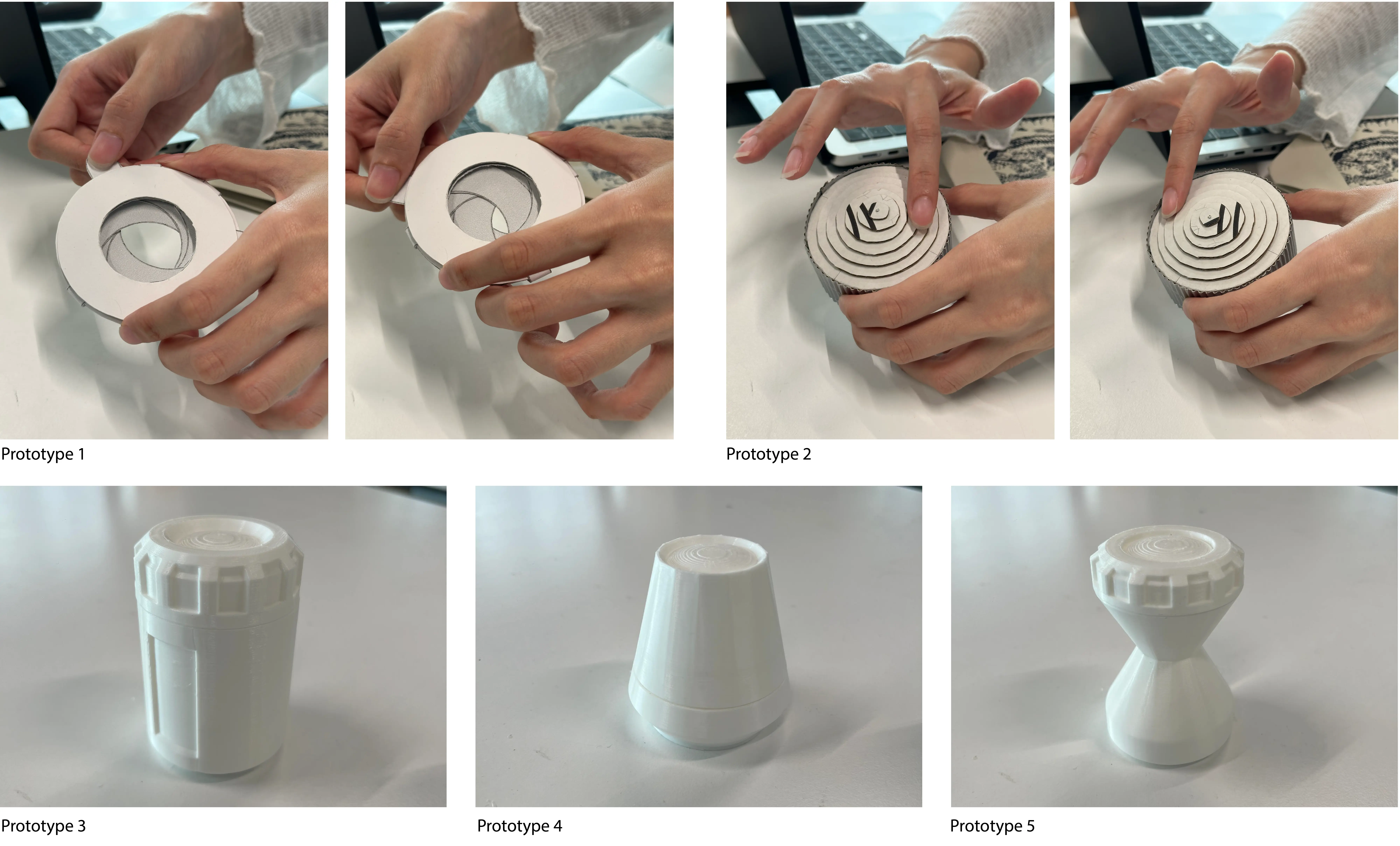
(Paper prototype: Jing Wen/ 3D Render: Vilmos)
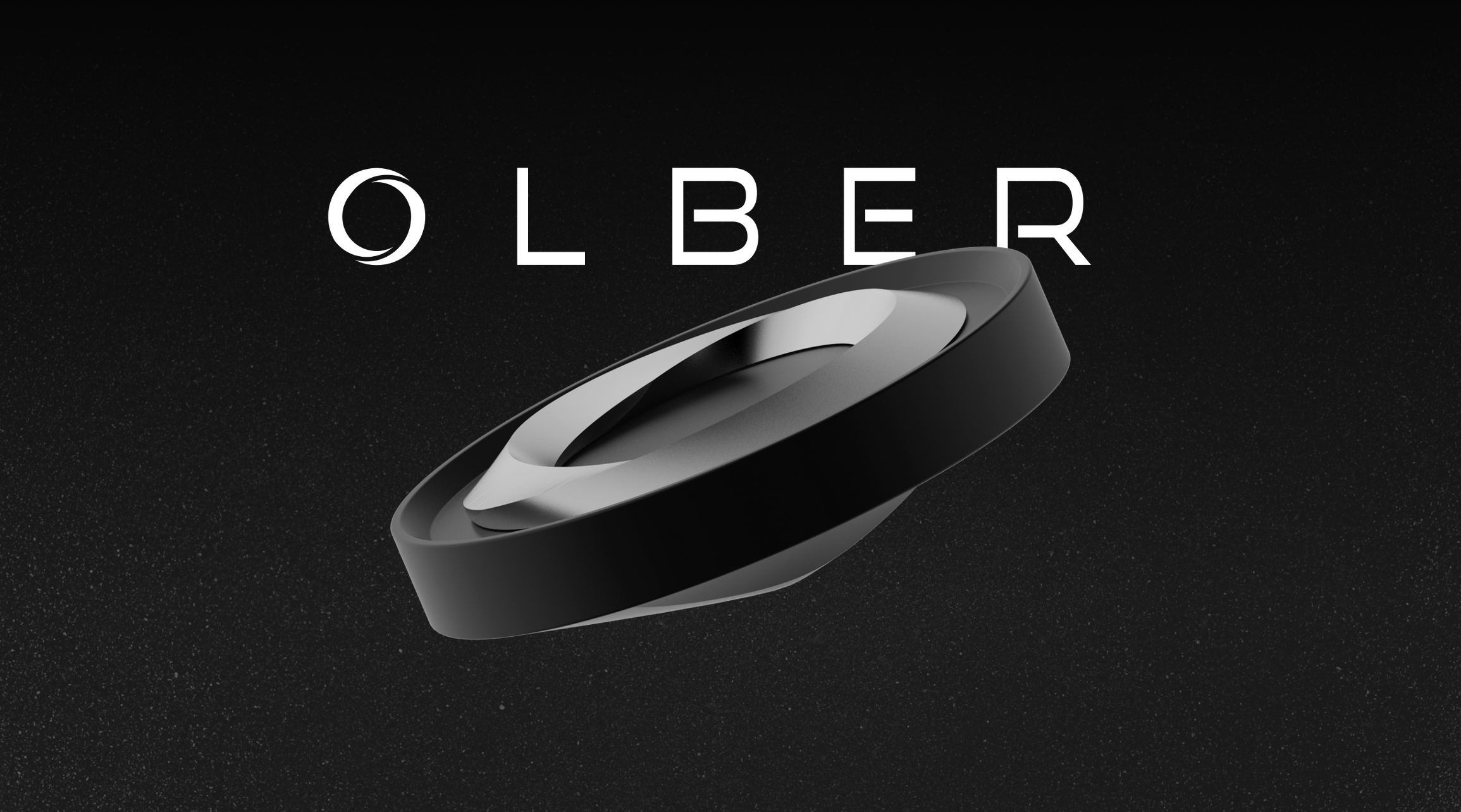
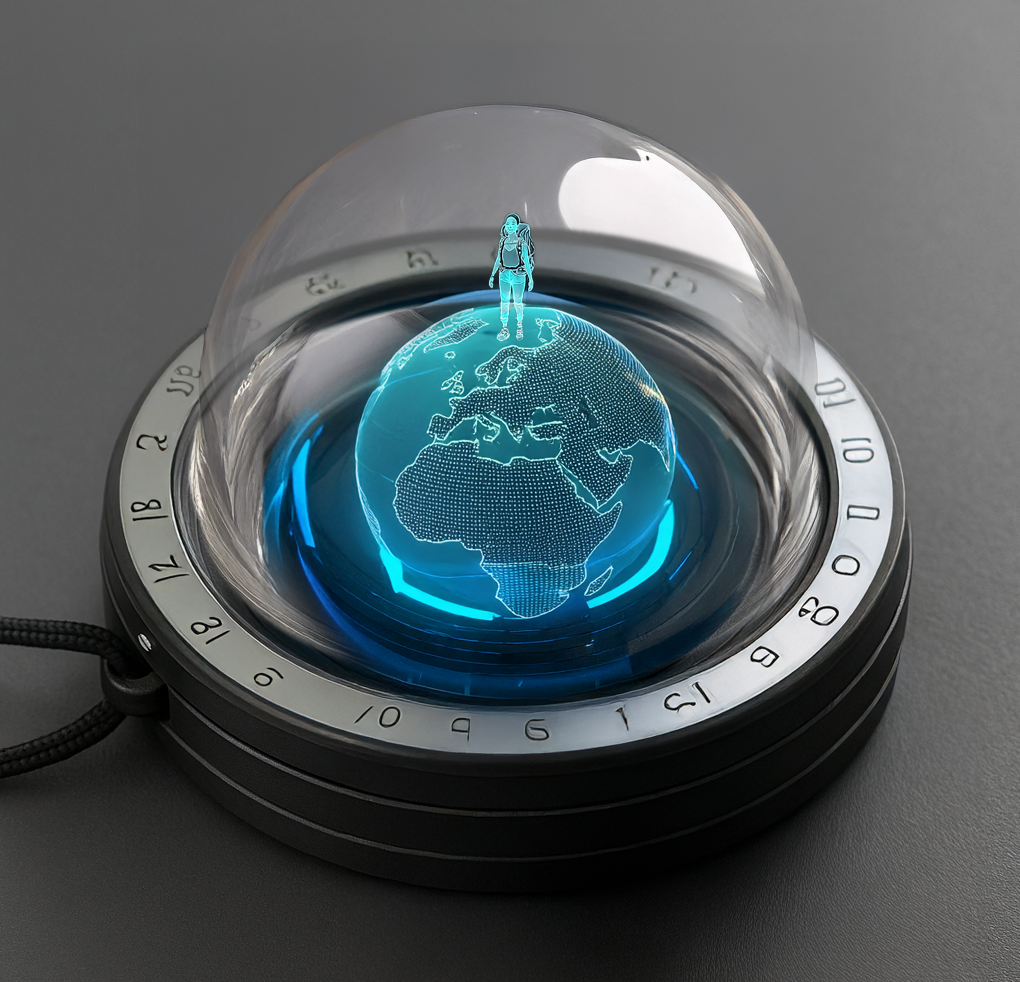
Olber is a speculative AI companion revealing data-driven historical AR holograms. Turn the dial to explore time periods, navigate locations, and discover personalized stories to foster deeper engagement with your physical surroundings. By giving AI tangible form focused on a singular, meaningful purpose, Olber demonstrates how technology can reconnect us with place rather than distract us from it. Designed to pair with AR glasses, Olber projects holographic historical overlays directly into your visual field, transforming passive observation into active temporal exploration.
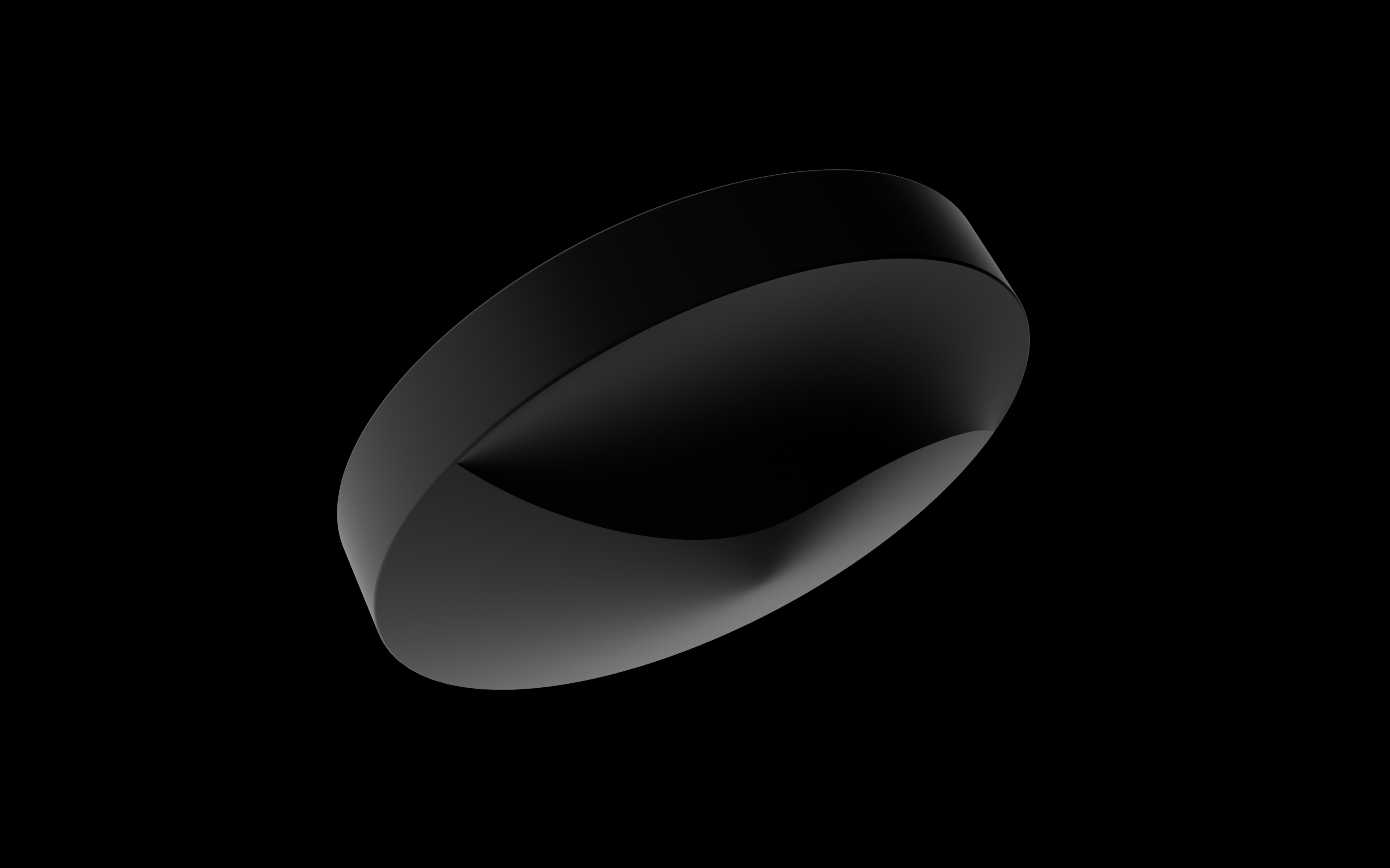
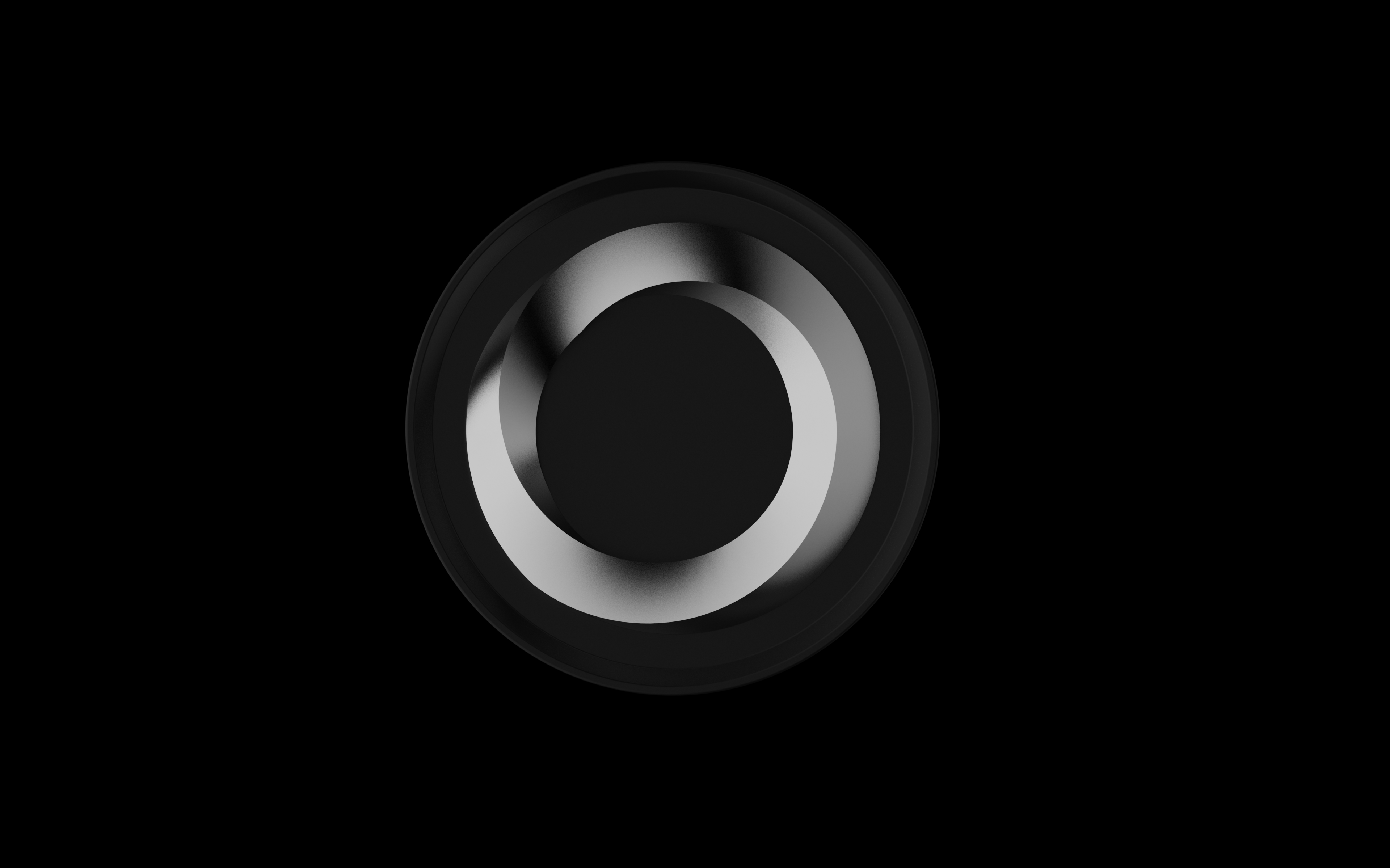
The twisted silver dial echoes the Möbius strip's infinite loop, symbolizing nonlinear time travel. The asymmetric pivot base adds whimsical, kinetic character; a playful interaction inviting exploration.
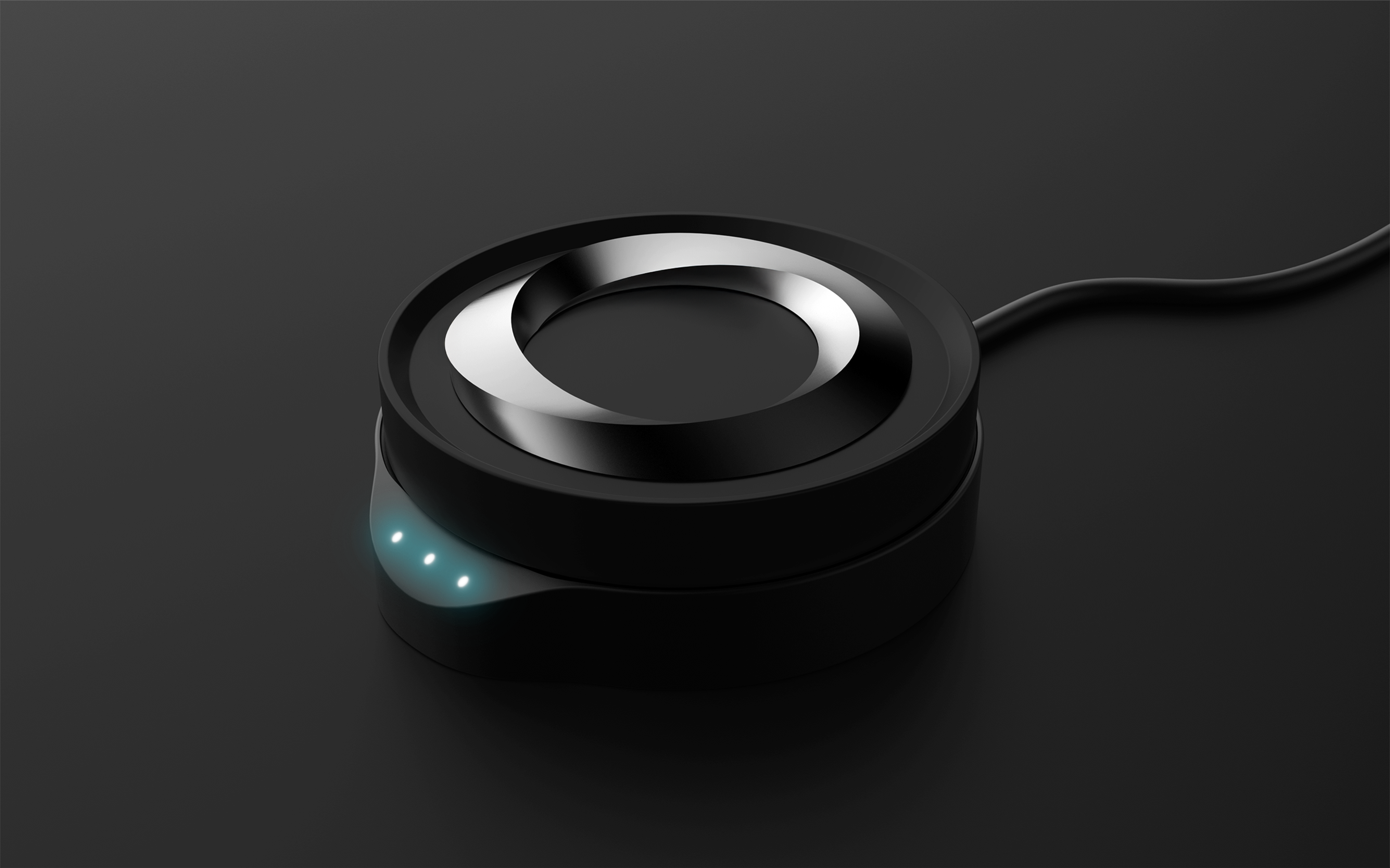
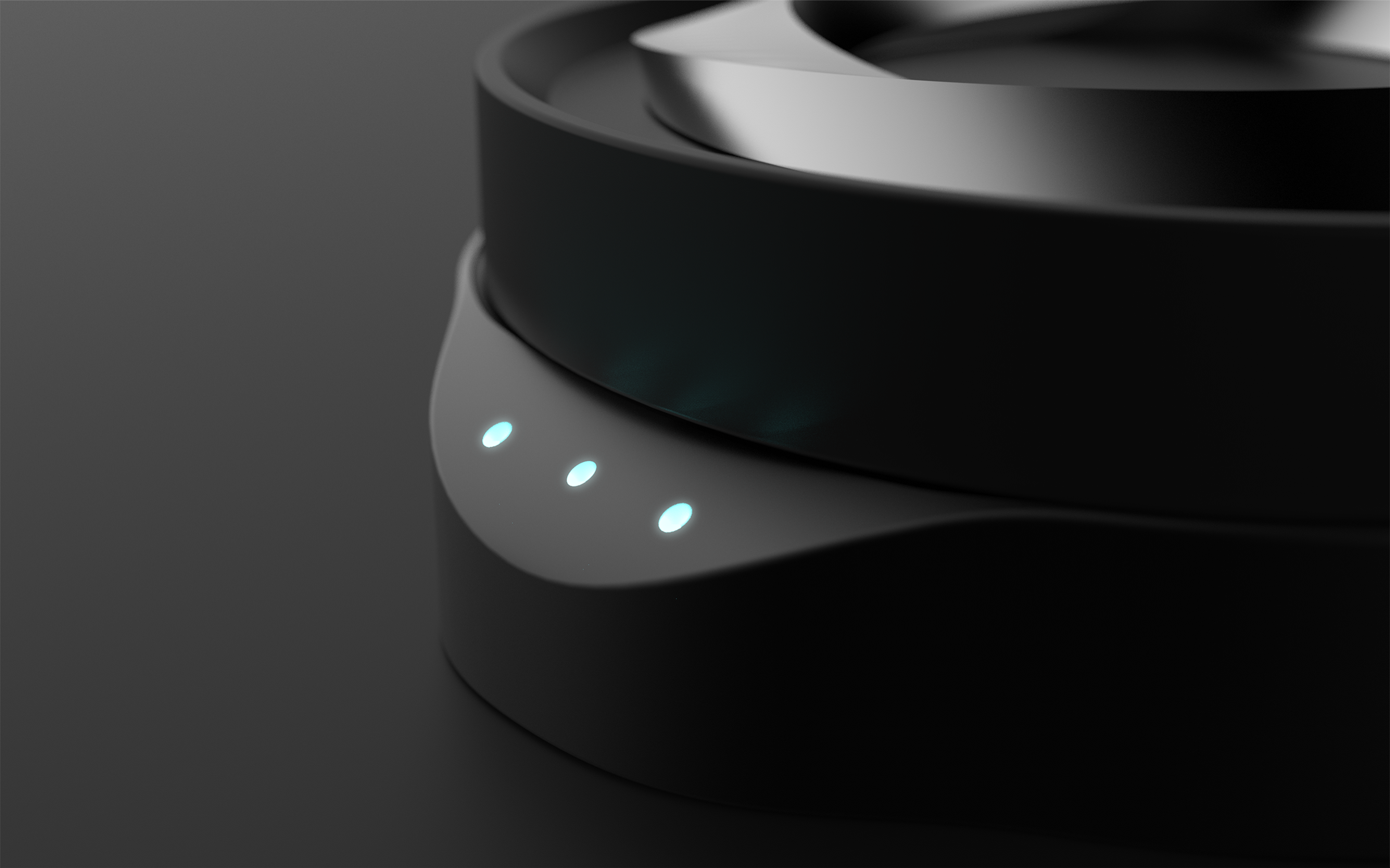
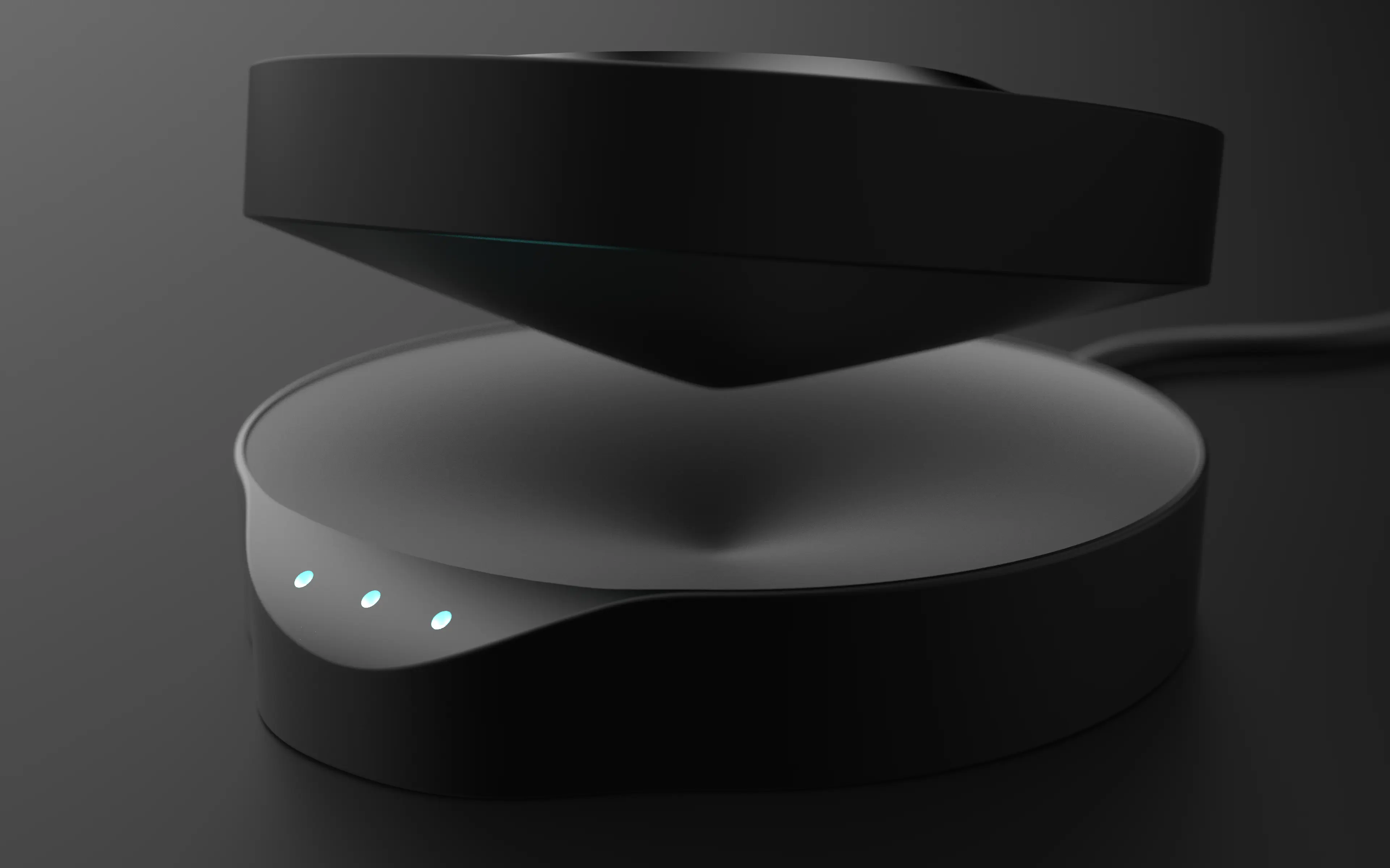
A wireless magnetic charging allows seamless power without disrupting the clean spherical design.
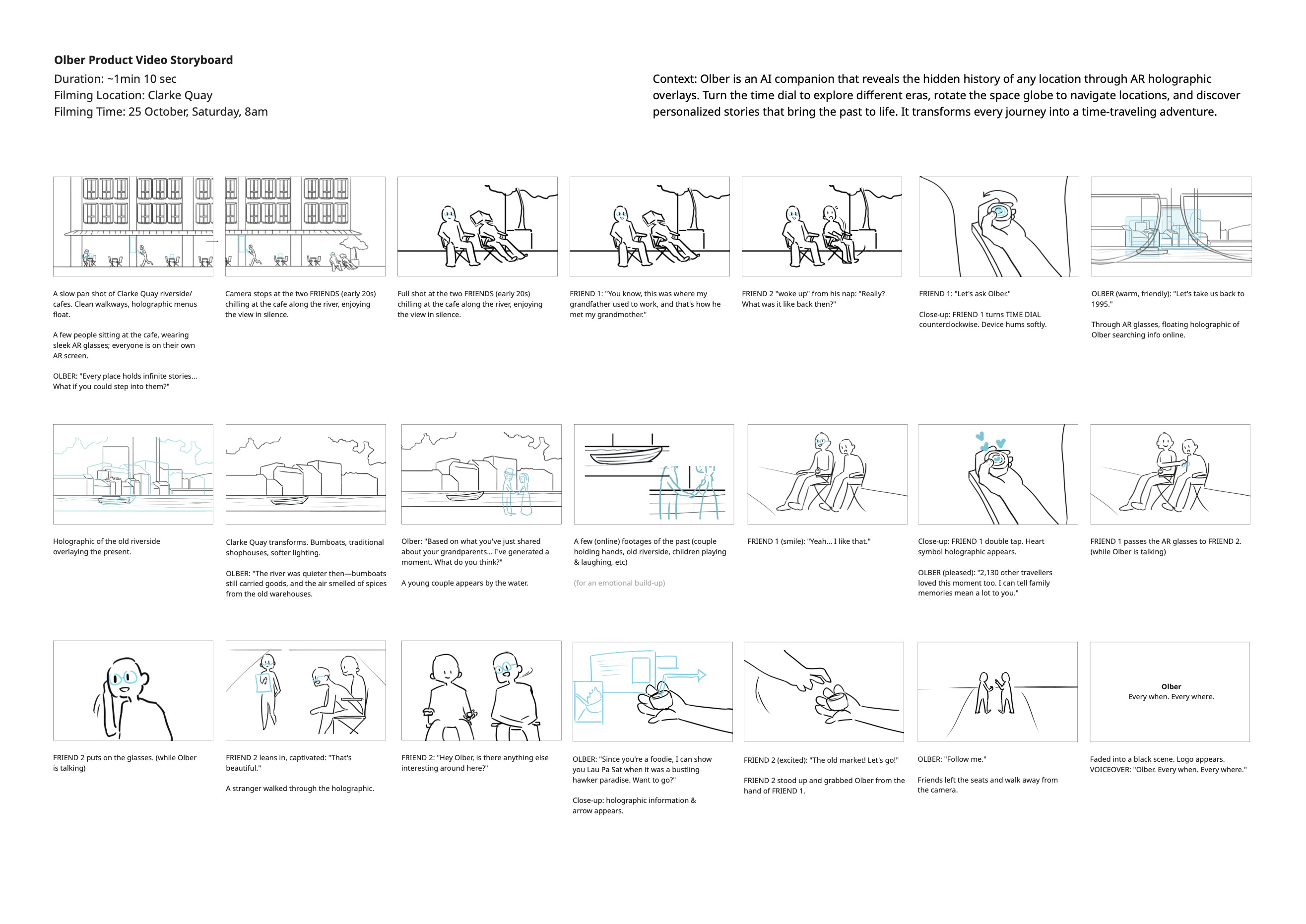
To communicate this speculative concept effectively, my team and I created a short video that visualizes the user experience. In this project, I took on multiple roles, including art direction, casting, storyboarding, scriptwriting, video editing, motion tracking, and animation.
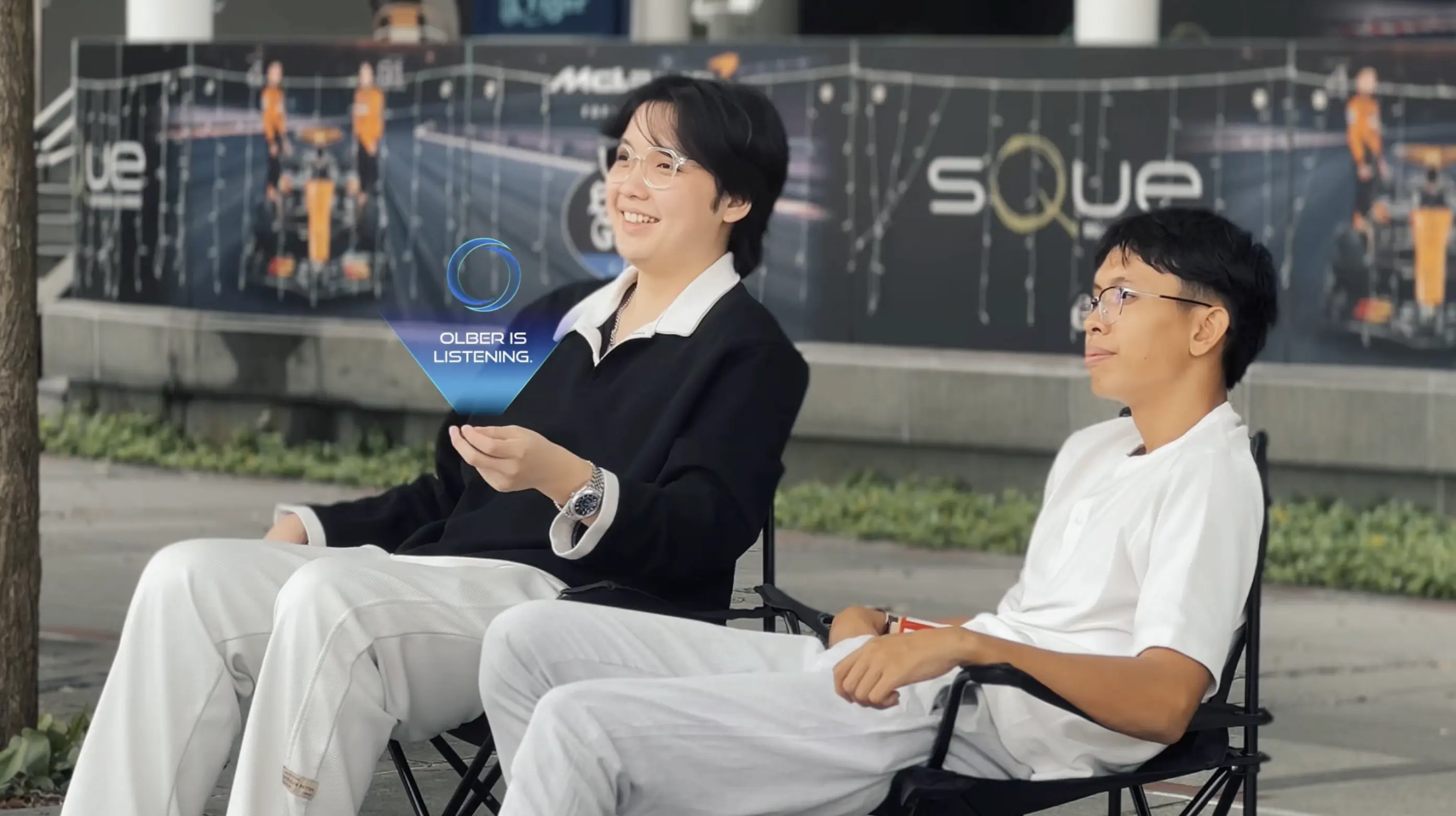
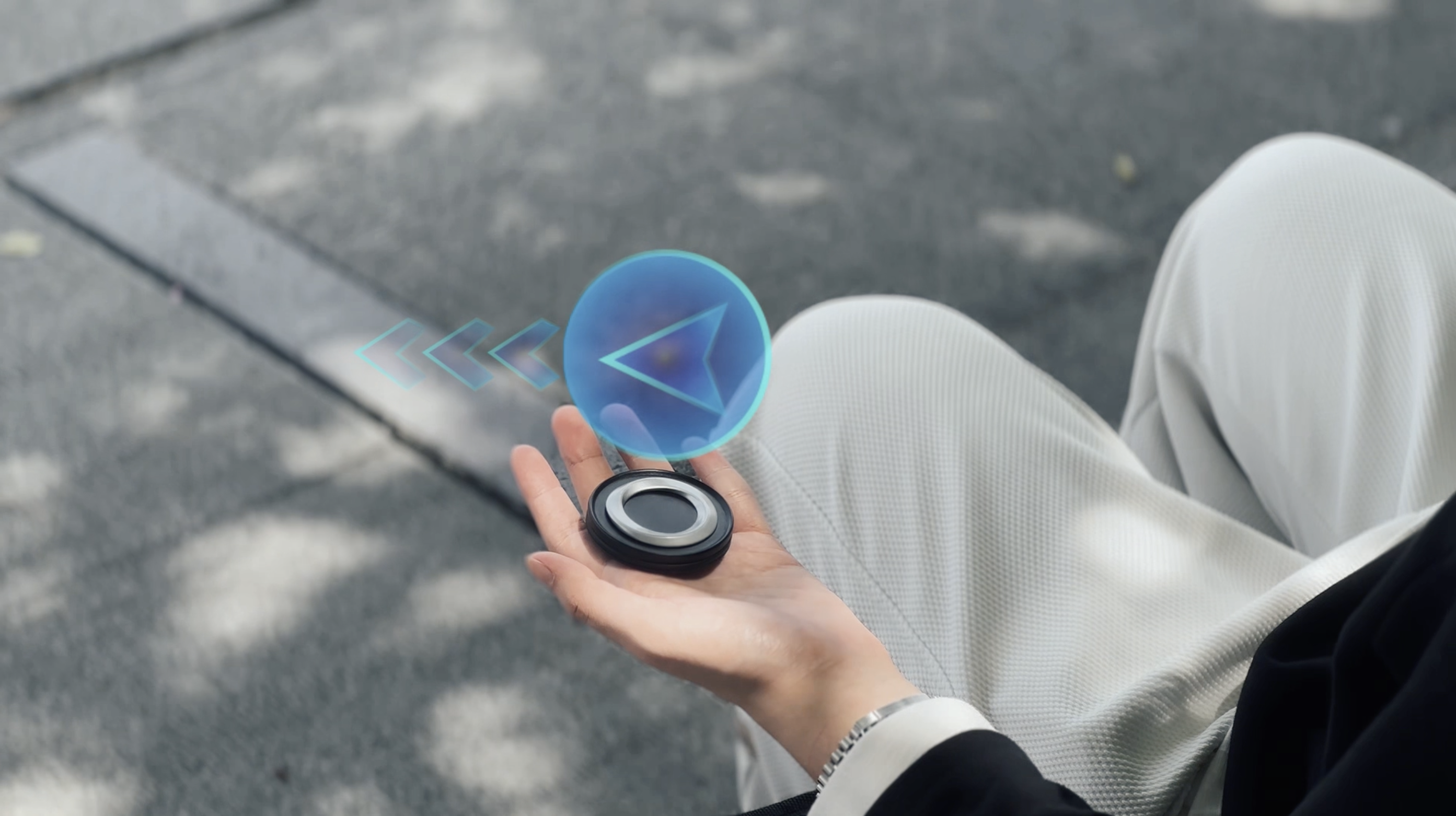
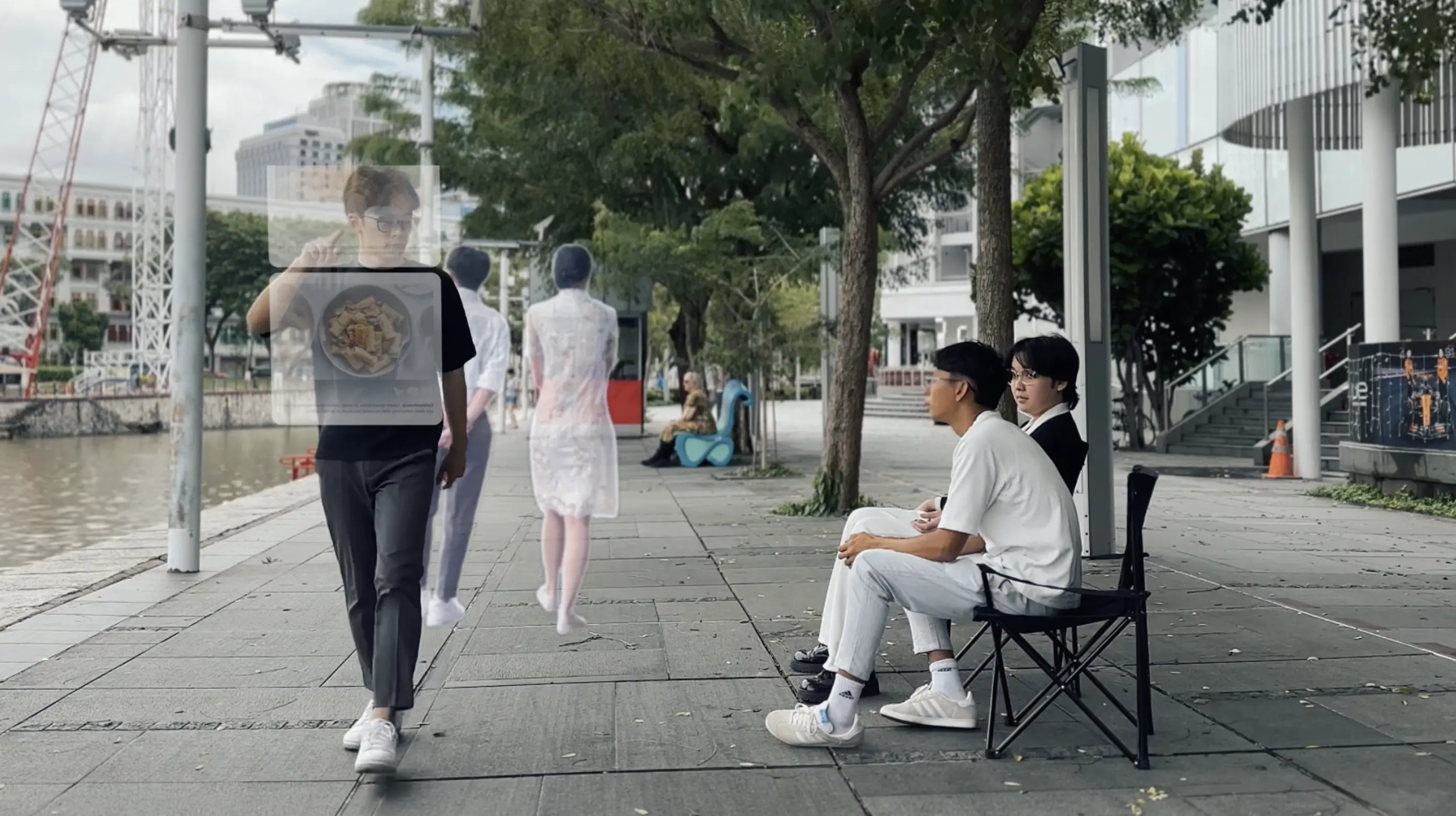

Credits: Art Director & Storyboarding: Jing Wen Director of Photography & 3D-printed Props: Vilmos Video Editor & Motion Graphics: Jing Wen & Li Yee Talents: Yong Hong & Hidir Film Location: Clarke Quay/Boat Quay, Singapore
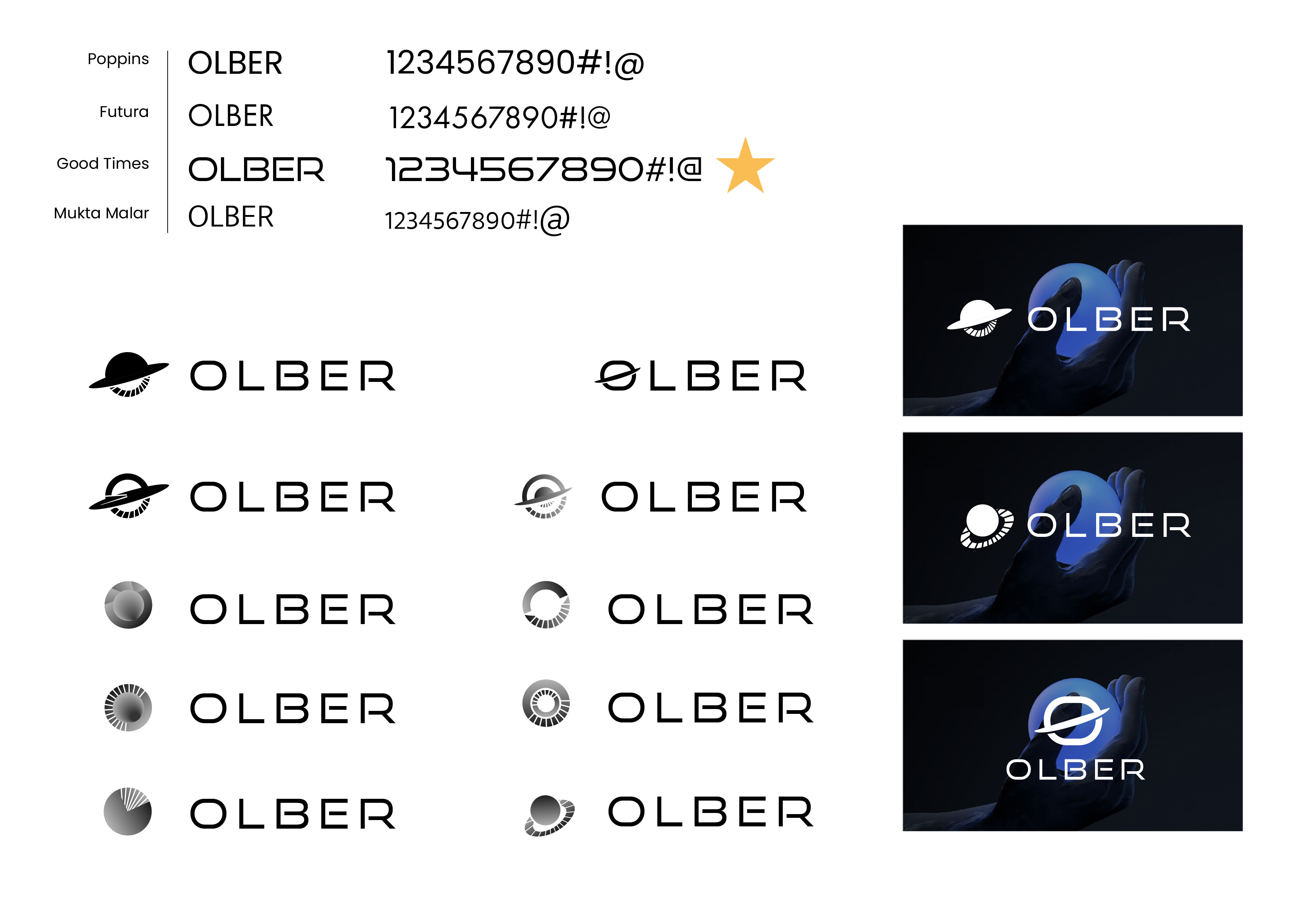
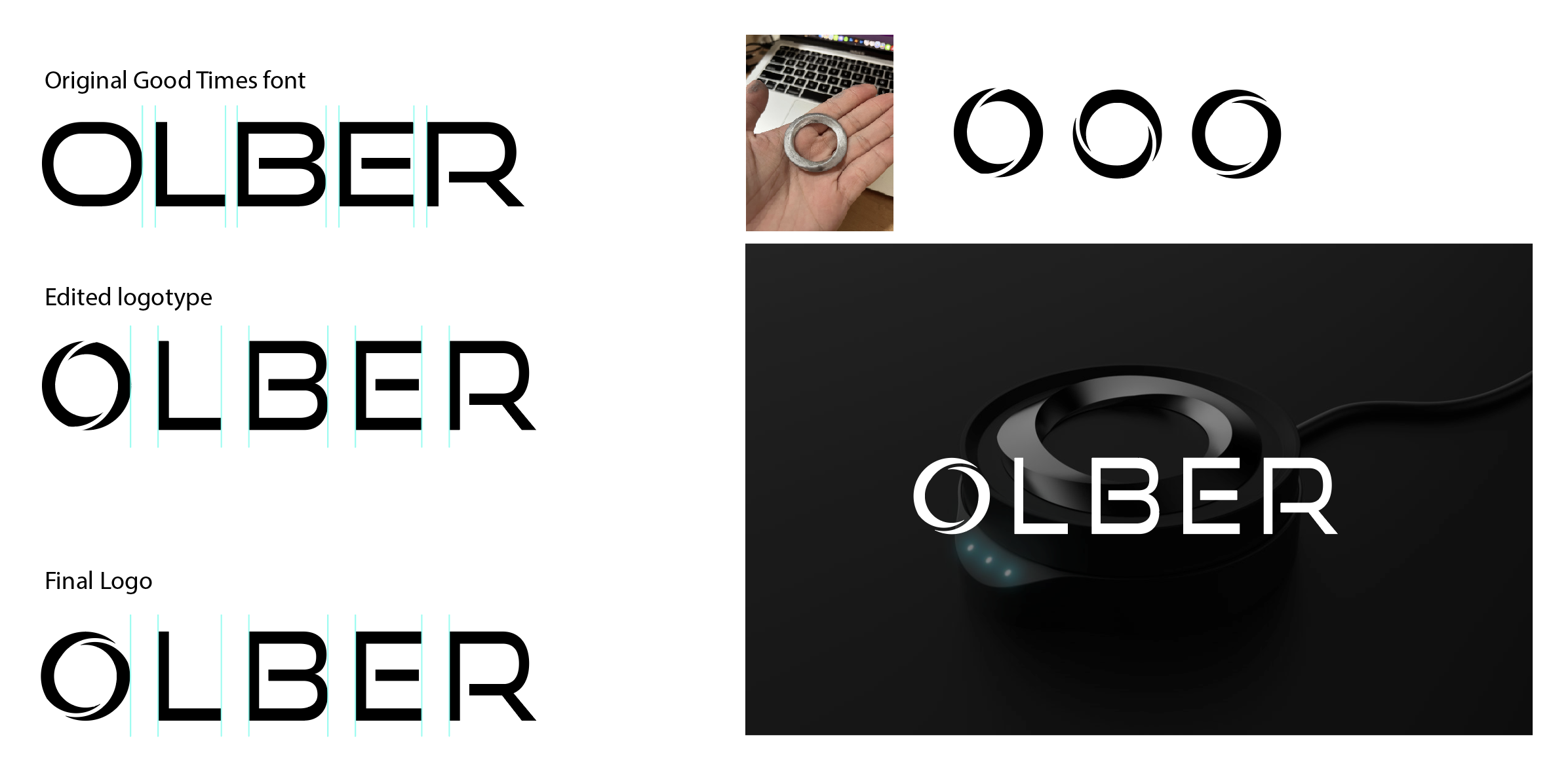
We ran an interesting survey on the name "Olber," asking people what kind of person they imagined just from hearing the name: their look, age, and even gender. Most people pictured Olber as a wise, old guide, which was perfect for personalizing our AI. Drawing from sci-fi movies and iconic imagery, I designed a clean, memorable brand identity that weaves the product's signature swirl right into the letter "O." The layered UI interface with dynamic opacity, rotation, and glow effects creates convincing AR depth to the product.
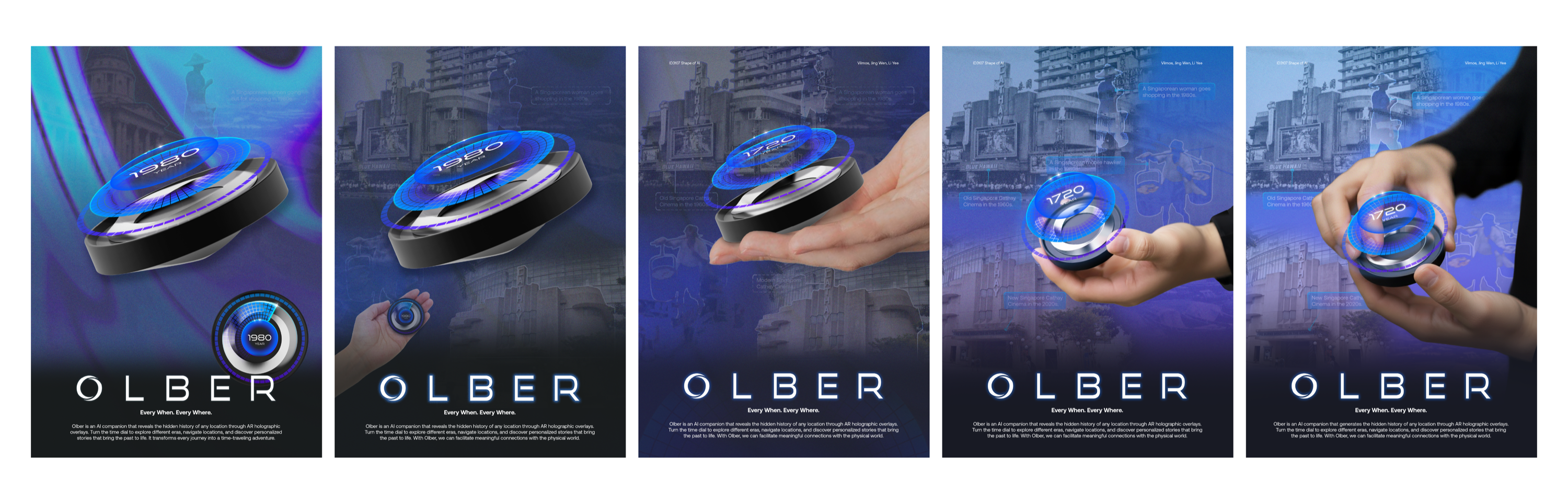
The posters needed to communicate both the product's form and function. After exploring several variations, the final design captures the device's scale against a human hand while demonstrating how it's used. It features a hand holding Olber with its AR hologram interface projected in the background.